
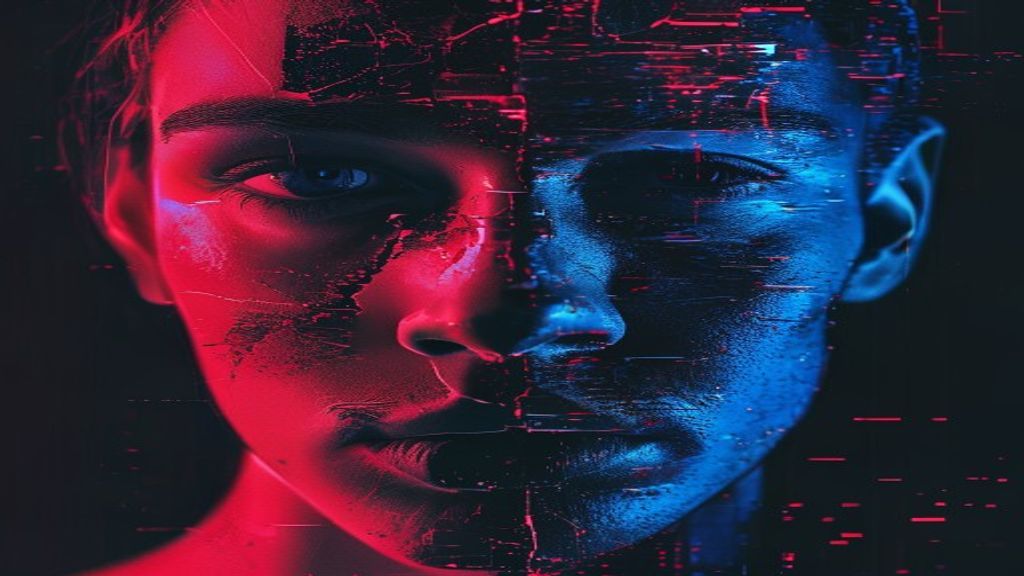

For the first time in human history, seeing is no longer believing. And almost nobody has updated their instincts.
Your brain has one rule it has trusted for a hundred thousand years: if I can see it and hear it, it’s real. That rule kept your ancestors alive. And in the space of a few short years, technology has quietly turned that rule into a vulnerability. A voice on the phone, a face on a video call, a clip of a leader making a statement — any of it can now be manufactured from nothing.
The scam that sounds like your family
The most immediate danger isn’t fake politicians. It’s a phone call. Fraudsters now need only seconds of someone’s voice — scraped from a video, a voicemail, a social clip — to clone it. Then comes the panicked call: a child, a parent, a boss, begging for money right now. The voice is perfect. The panic is real. The person on the other end never existed.
The liar’s dividend
Here’s the twist nobody saw coming. Deepfakes don’t just let people fake reality — they let people deny reality. When anything can be faked, the guilty can wave away real evidence as “probably AI.” The technology doesn’t only manufacture lies. It manufactures deniability, and that may be the more dangerous product.
Truth becomes a group project
In a world where any single image can be forged, no single image can be trusted. Verification stops being about one video and becomes about context: Where did it come from? Who else confirms it? Does it match reality? We are being dragged, whether we like it or not, from “trust your eyes” to “check your sources.”
Your new default
Adopt one habit and it protects you from most of it: slow down. Scams and fakes rely on urgency — the panic that stops you thinking. If a call demands money now, hang up and call back on a known number. Agree on a family “safe word.” Treat shocking clips as unverified until proven otherwise. The fake is fast. Your defence is the pause.
The most valuable skill of the next decade won’t be making things. It’ll be knowing what’s real.

